



Indole Alkaloids
-
Indole Alkaloids (475)

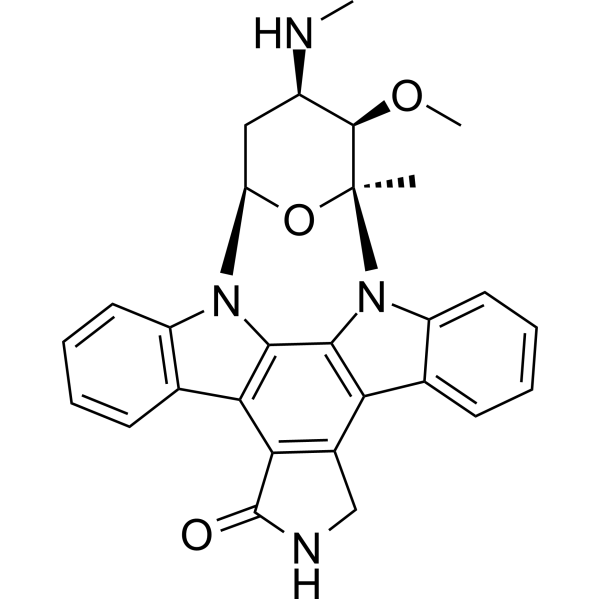
- Formula: C28H26N4O3
- Molecular Weight: 466.53
Staurosporine is a potent, ATP-competitive and non-selective inhibitor of protein kinases with IC50s of 6 nM, 15 nM, 2 nM, and 3 nM for PKC, PKA, c-Fgr, and Phosphorylase kinase respectively. Staurosporine also inhibits TAOK2 with an IC50 of 3 μM. Staurosporine is an apoptosis inducer.
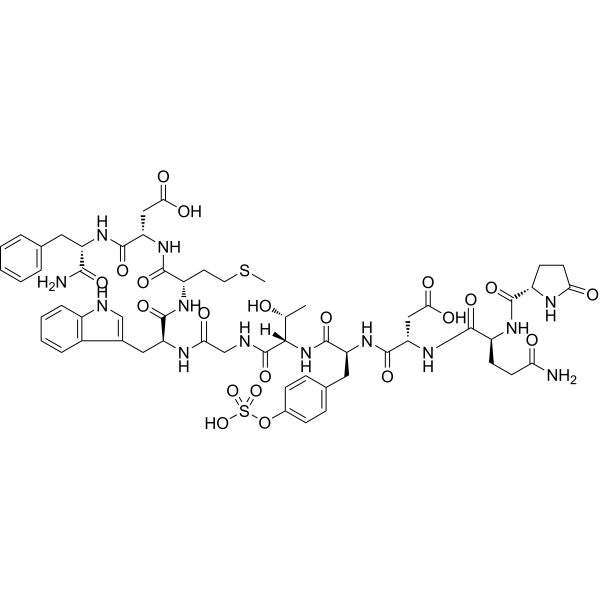
- Formula: C58H73N13O21S2
- Molecular Weight: 1352.41
Caerulein is a decapeptide and a potent cholecystokinin receptor agonist. Caerulein is a safe and effective cholecystokinetic agent with a direct spasmogenic effect on the gallbladder muscle and bile ducts.
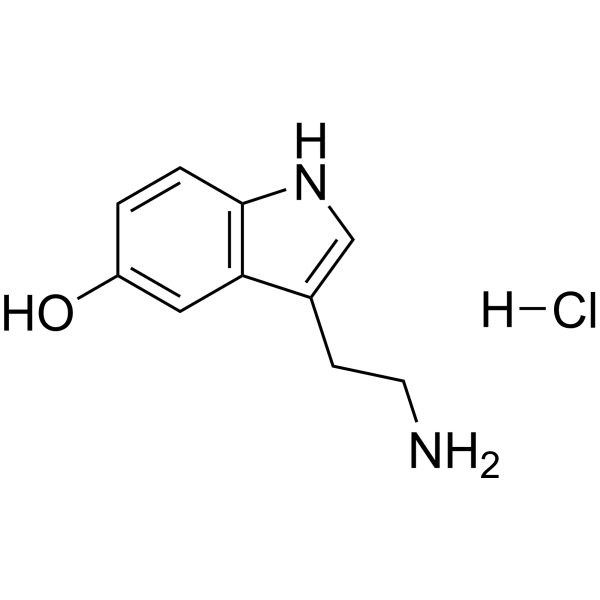
- Formula: C10H13ClN2O
- Molecular Weight: 212.68
Serotonin (5-Hydroxytryptamine) hydrochloride is a monoamine neurotransmitter in the CNS and an endogenous 5-HT receptor agonist, with blood-brain barrier permeability. Serotonin hydrochloride is also a catechol O-methyltransferase (COMT) inhibitor with a Ki of 44 μM.
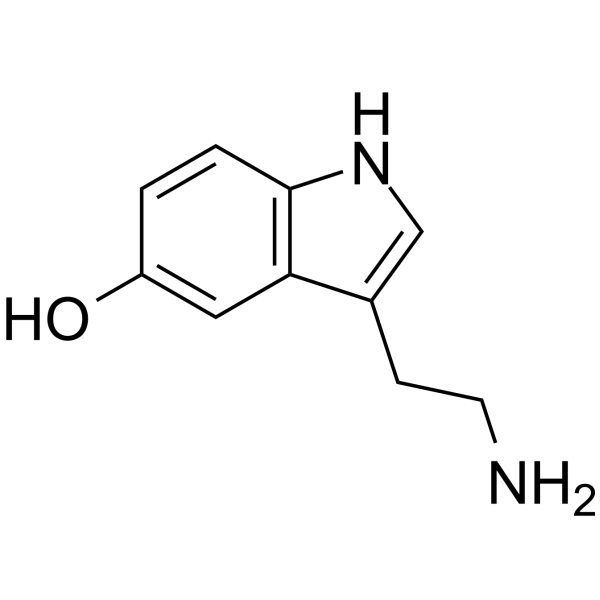
- Formula: C10H12N2O
- Molecular Weight: 176.22
Serotonin is a monoamine neurotransmitter in the CNS and an endogenous 5-HT receptor agonist. Serotonin is also a catechol O-methyltransferase (COMT) inhibitor with a Ki of 44 μM.
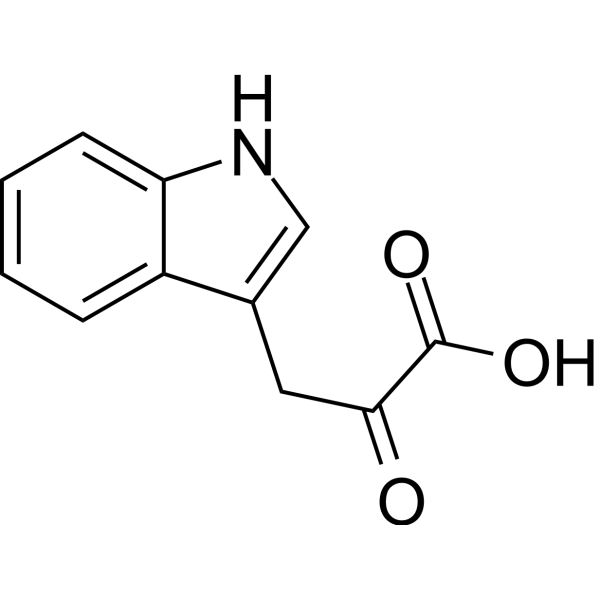
- Formula: C11H9NO3
- Molecular Weight: 203.20
Indole-3-pyruvic acid is an orally active ketone analog of tryptophan, and is an aryl hydrocarbon receptor (AHR) agonist. Indole-3-pyruvic acid inhibits p38/MAPK phosphorylation, regulates the tryptophan metabolic pathway, and also possesses protective activities against skin photodamage, as well as anti-inflammatory and anti-anxiety bioactivities in the gut. Indole-3-pyruvic acid can downregulate the expression of IL-1β, IL-6, Cox-2, and Bax to alleviate UVB-induced keratinocyte toxicity. Indole-3-pyruvic acid can activate AHR to promote Tr1 cell differentiation, increase IL-10, and inhibit Th1 cytokine production. Indole-3-pyruvic acid can alter the levels of kynurenine metabolites in the brain, mediating central nervous system-related effects. Indole-3-pyruvic acid can be used in research on skin lesions, colitis, and anxiety.
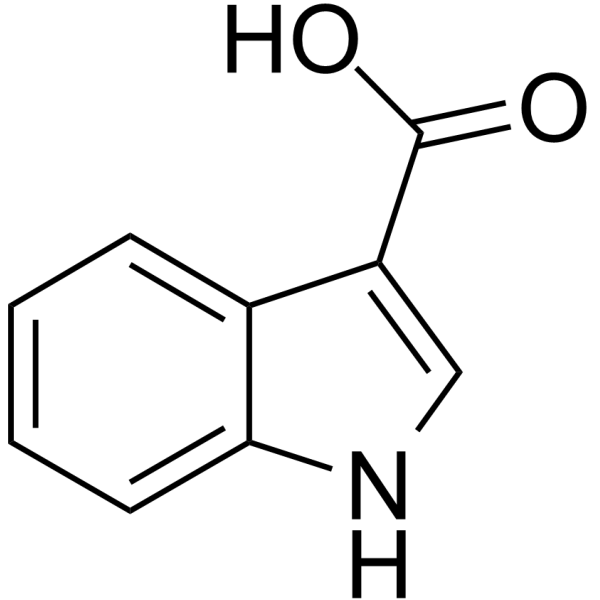
- Formula: C9H7NO2
- Molecular Weight: 161.16
Indole-3-carboxylic acid is an orally active urinary indolic tryptophan metabolite. Indole-3-carboxylic acid is a mediator of priming against Plectosphaerella cucumerina. Indole-3-carboxylic acid enhances the anti-colorectal cancer potency of Doxorubicin (HY-15142A) by inducing cell senescence. Indole-3-carboxylic acid can be used in liver disease research.
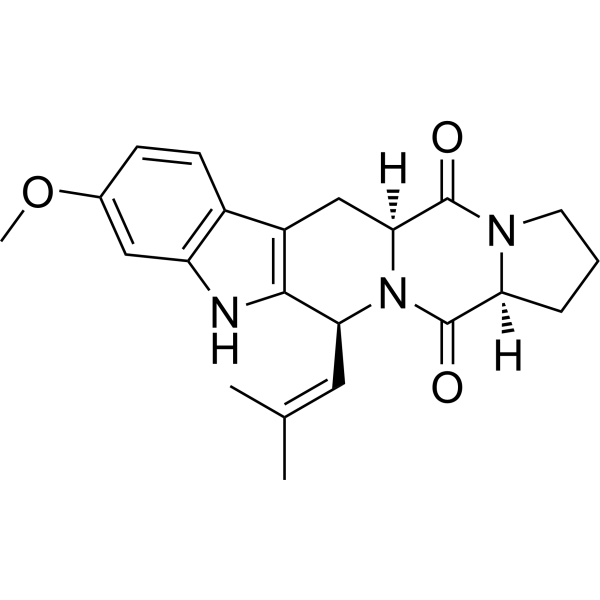
- Formula: C22H25N3O3
- Molecular Weight: 379.45
Fumitremorgin C is a potent and selective ABCG2/BRCP inhibitor.
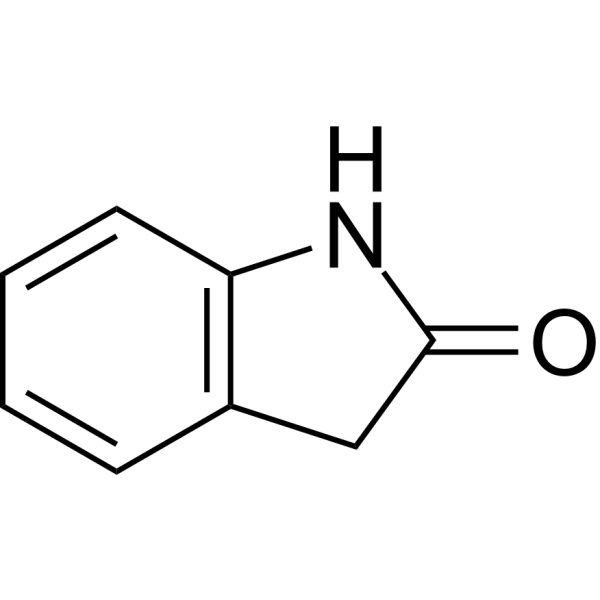
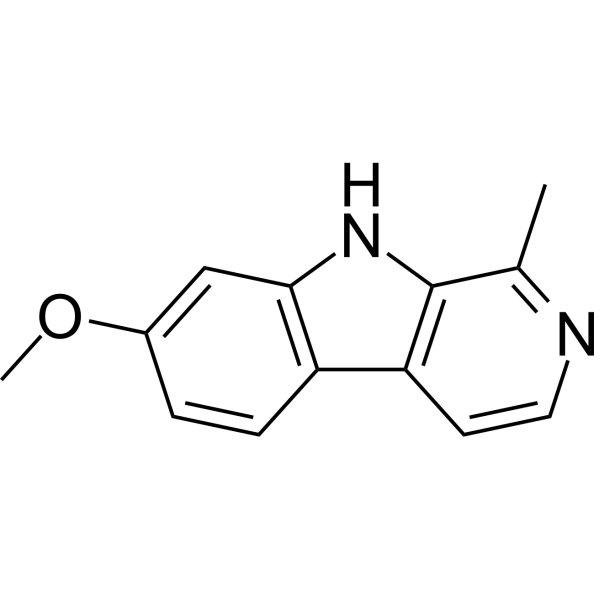
- Formula: C13H12N2O
- Molecular Weight: 212.25
Harmine is a natural dual-specificity tyrosine phosphorylation-regulated kinase (DYRK) inhibitor with anticancer and anti-inflammatory activities. Harmine has a high affinity of 5-HT2A serotonin receptor, with an Ki of 397 nM.
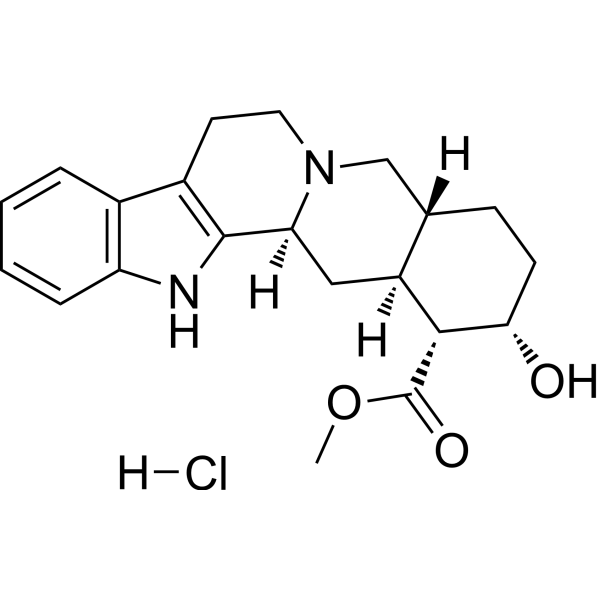
- Formula: C21H27ClN2O3
- Molecular Weight: 390.90
Yohimbine hydrochloride is an alpha-2 renal adenomatase receptor inhibitor, blocking pre- and post-contact alpha-2 renal adenomatase receptors, causing the release of renal adenoma and multiple sclerosis.
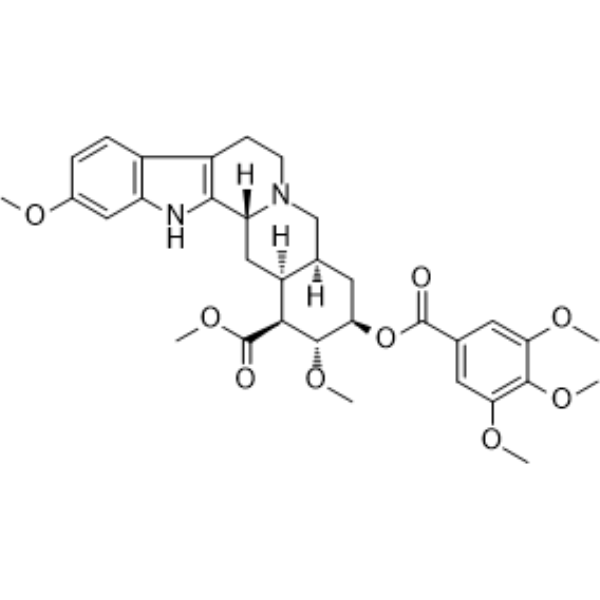
- Formula: C33H40N2O9
- Molecular Weight: 608.68
Reserpine is an inhibitor of the vesicular monoamine transporter 2 (VMAT2).
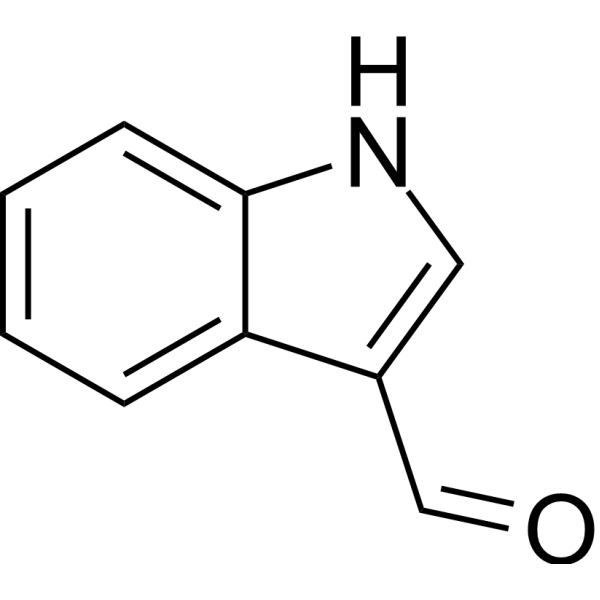
- Formula: C9H7NO
- Molecular Weight: 145.16
Indole-3-carboxaldehyde (3-Formylindole), a banlangen extract, is the product of the oxidative degradation of indole-3-acetic acid (IAA) by crude enzyme preparations from etiolated pea seedlings. Indole-3-carboxaldehyde is a biochemical used to prepare analogs of the indole phytoalexin cyclobrassinin. Indole-3-carboxaldehyde also enhances the epithelial barrier and anti-inflammatory activity in the intestinal tract.
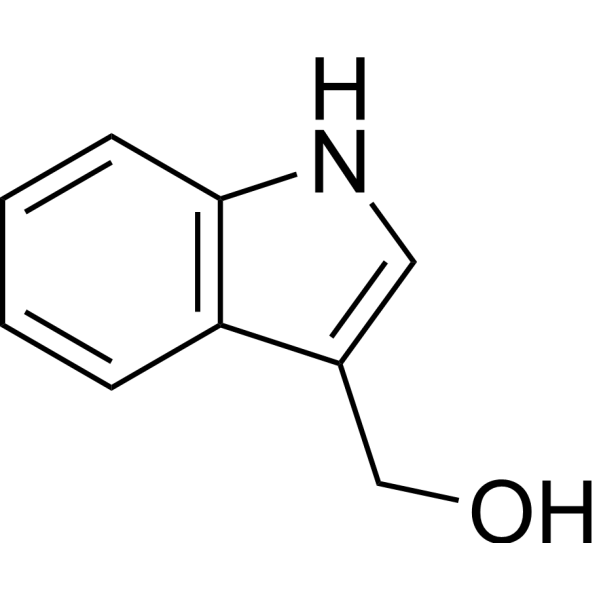
- Formula: C9H9NO
- Molecular Weight: 147.18
Indole-3-carbinol (I3C) inhibits NF-κB activity and also is an Aryl hydrocarbon receptor (AhR) agonist, and an inhibitor of WWP1 (WW domain-containing ubiquitin E3 ligase 1).
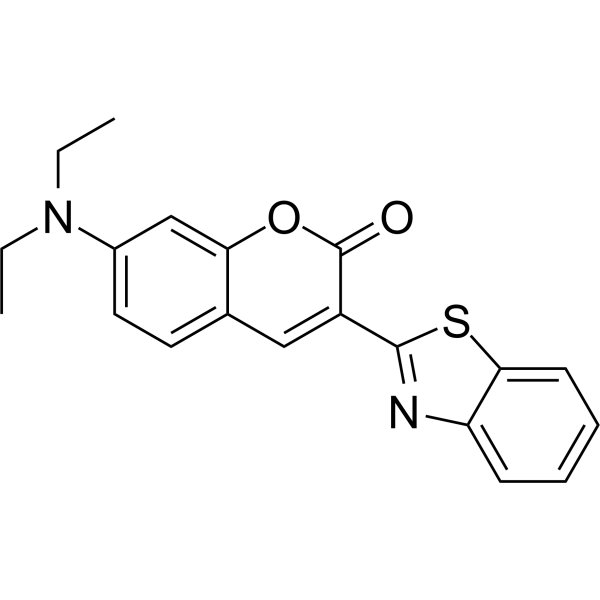
- Formula: C20H18N2O2S
- Molecular Weight: 350.44
Coumarin 6, a fluorescent dye, is used as a fluorescent probe in a microparticle drug delivery system to conduct in vivo tracking, cell uptake, and transport mechanism studies of drug delivery systems (λexc=450 nm, λem=505 nm).
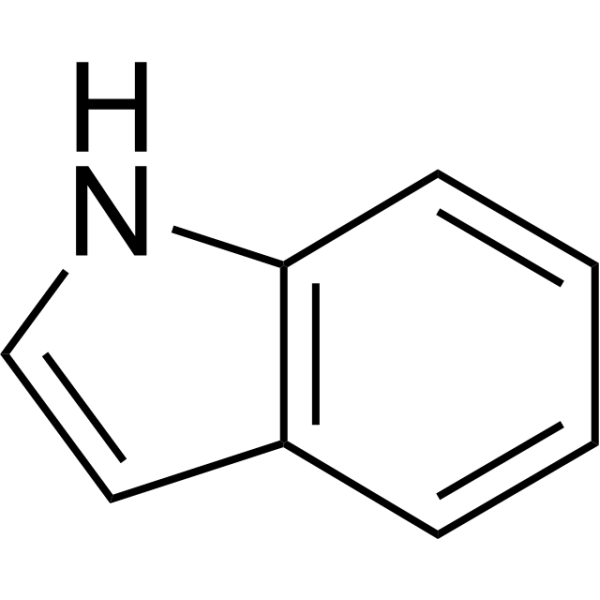
- Formula: C8H7N
- Molecular Weight: 117.15
Indole is an aromatic, heterocyclic, organic compound which widely distributed in the natural environment and can be produced by a variety of bacteria. Indole regulates various aspects of bacterial physiology, including spore formation, plasmid stability, resistance to drugs, biofilm formation, and virulence as an intercellular signal molecule.
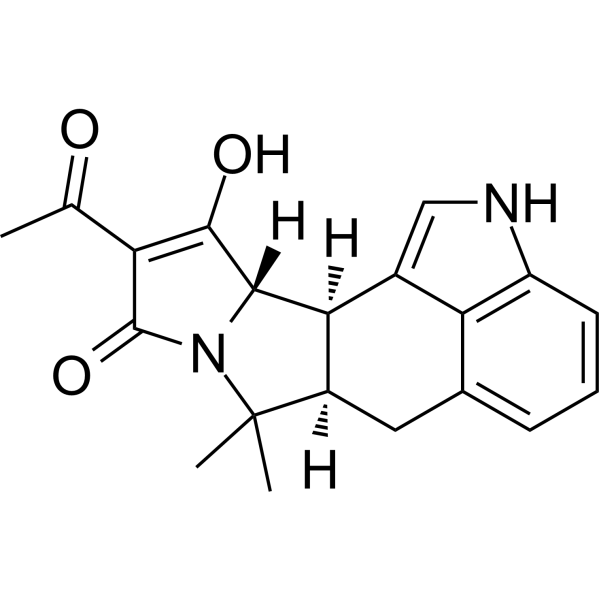
- Formula: C20H20N2O3
- Molecular Weight: 336.38
Cyclopiazonic acid is an endoplasmic reticulum calcium ATPase (ECAs) inhibitor and human respiratory syncytial virus (RSV) inhibitor (EC50 value of 4.13 μ M), which can reduce the antagonistic effect of 5-HT receptors in rat thoracic aorta, induce p53 dependent cell apoptosis and reproductive toxicity in mouse testes, and inhibit the biological activation of aflatoxin B[1][4][5].
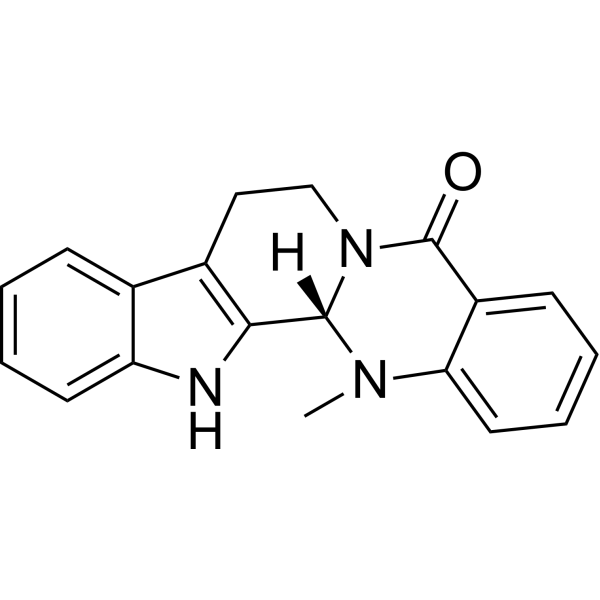
- Formula: C19H17N3O
- Molecular Weight: 303.36
Evodiamine is an alkaloid isolated from the fruit of Evodia rutaecarpa Bentham with diverse biological activities including anti-inflammatory, anti-obesity, and antitumor.
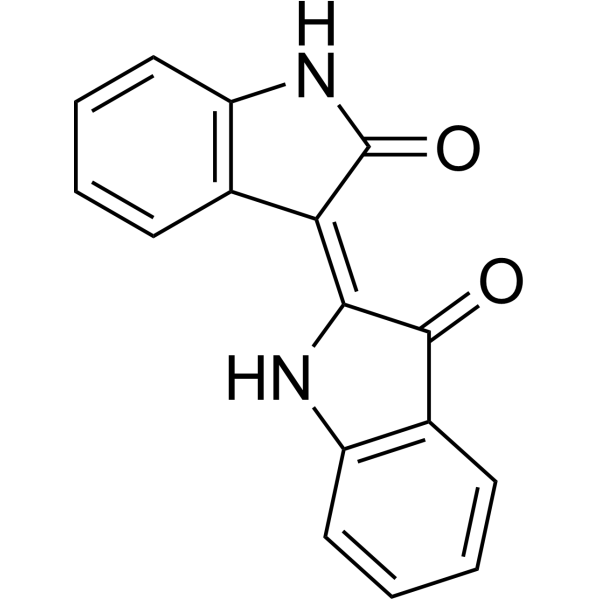
- Formula: C16H10N2O2
- Molecular Weight: 262.26
Indirubin (Couroupitine B) is a bis-indole alkaloid and has emarkable anticancer activity against chronic myelocytic leukemia.

- Formula: C10H12N2
- Molecular Weight: 160.22
Tryptamine is a selective, blood-brain-penetrating 5-HT4 receptor agonist (EC50=1-3 mM) and an endogenous ligand of the aryl hydrocarbon receptor (AHR) (Kd=10-50 nM). Tryptamine promotes intestinal anion secretion and fluid transport by activating G protein-coupled receptors (GPCRs) and accelerates gastrointestinal motility. Tryptamine regulates Th17/Treg balance to inhibit neuroinflammation, competitively binds to 5-HT receptors to regulate central nervous system activity, and participates in temperature regulation and spinal reflex regulation as a neuromodulator. Tryptamine can be used to study intestinal motility disorders such as functional constipation, and has shown significant efficacy in multiple sclerosis models.
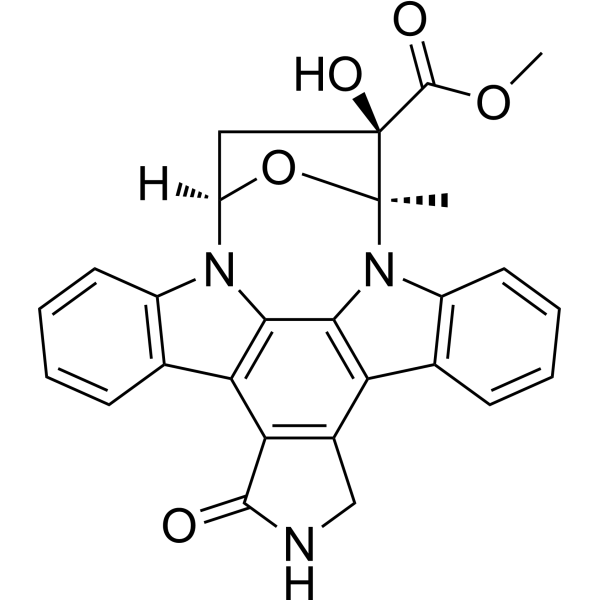
- Formula: C27H21N3O5
- Molecular Weight: 467.47
K-252a, a staurosporine analog, inhibits protein kinase, with IC50 values of 470 nM, 140 nM, 270 nM, and 1.7 nM for PKC, PKA, Ca2+/calmodulin-dependent kinase type II, and phosphorylase kinase, respectively. K-252a is a potent inhibitor (IC50 of 3 nM) of the tyrosine protein kinase (TRK) activity of the NGF receptor gp140trk, the product of the trk protooncogene.



